


OFFICE ADDRESS:
6247 Jarvis Ave
Newark, CA 94560


What Is the Main Cause of Glaucoma? How to Prevent It
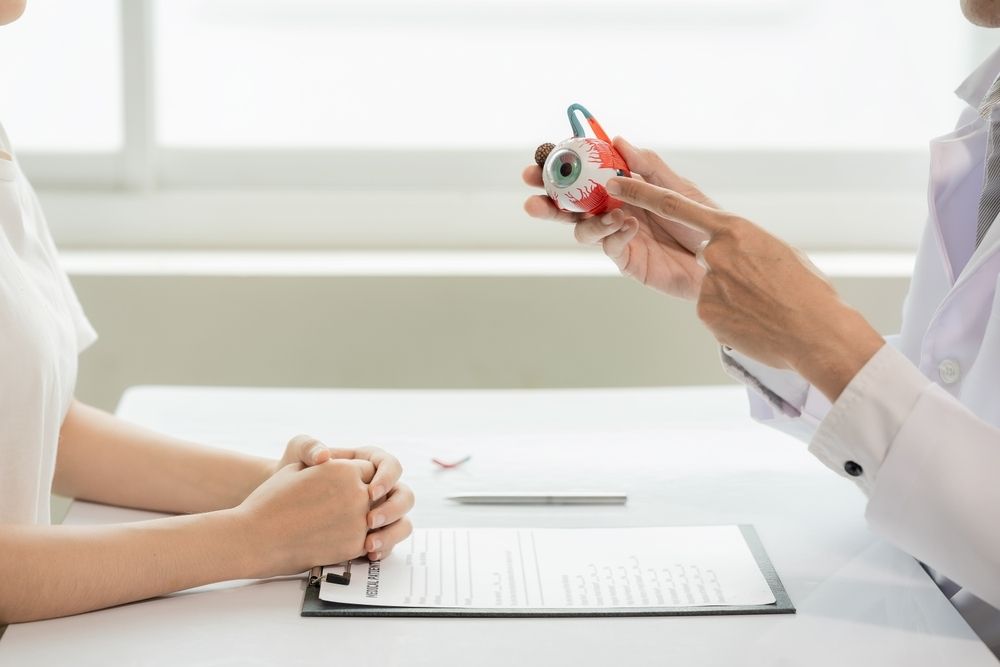
Glaucoma is a serious eye disease that can lead to permanent vision loss if left undetected. What makes glaucoma especially dangerous is that it often develops without noticeable symptoms in its early stages. Many people are unaware they have the condition until vision damage has already occurred. Understanding what causes glaucoma and how it can be prevented is an essential step in protecting your eye health.
What Is Glaucoma?
Glaucoma is a group of eye diseases that damage the optic nerve, which is responsible for transmitting visual information from the eye to the brain. This damage typically develops gradually and can lead to vision loss or blindness if left untreated. While there are different types of glaucoma, the most common form is primary open-angle glaucoma, which often develops without pain or early warning signs.
What Is the Main Cause of Glaucoma?
The most common cause of glaucoma is increased pressure inside the eye, known as intraocular pressure (IOP). This pressure builds up when the fluid inside the eye (aqueous humor) does not drain properly.
Under normal conditions, this fluid flows in and out of the eye to maintain healthy pressure. When drainage is reduced or blocked, pressure increases and can damage the optic nerve over time.
However, it’s important to note that:
• Glaucoma can occur even with normal eye pressure
• Some people with high eye pressure never develop glaucoma
• Optic nerve sensitivity varies from person to person
Because of this complexity, glaucoma cannot be diagnosed based on eye pressure alone.
Risk Factors for Glaucoma
You may be at higher risk if you:
• Have a family history of glaucoma
• Are over the age of 40
• Have diabetes, high blood pressure, or heart disease
• Have had eye injuries or eye surgery
• Use steroid medications long-term
• Are highly nearsighted or farsighted
How to Prevent Glaucoma
While glaucoma cannot always be prevented, early detection and proper management can significantly reduce the risk of vision loss.
The most effective way to protect your vision is through routine medical eye exams. These exams go beyond basic vision checks and evaluate the overall health of your eyes.
A medical eye exam for glaucoma may include:
• Measurement of eye pressure
• Evaluation of the optic nerve
• Visual field testing to detect peripheral vision loss
• Imaging to track optic nerve changes over time
Because glaucoma often develops without symptoms, these tests are essential - even if your vision seems fine. If you have risk factors for glaucoma, your eye doctor may recommend more frequent exams. Early diagnosis allows for treatment options such as prescription eye drops, laser therapy, or other interventions that help control eye pressure and slow disease progression.
Stay Ahead of Vision Loss With Preventive Eye Care
Glaucoma is a serious eye condition that can quietly steal vision over time, but early detection makes all the difference. Elevated eye pressure is the most common cause, yet glaucoma can only be identified through thorough medical eye exams. By staying informed, knowing your risk factors, and prioritizing routine eye care, you can take meaningful steps to protect your eyesight for years to come.
If you have risk factors for glaucoma, schedule your annual eye exam at Bella Eye Care Optometry to take a proactive step toward preserving your vision and eye health. Visit our office in Newark, California, or call (510) 494-8880 to book an appointment today.

CONTACT INFO
CLINIC HOURS
Monday, Tuesday, Thursday, and Friday:
9:00am - 5:30pm (Closed for lunch 1:00pm - 1:45pm)
Wednesday:
10:00am - 6:30pm (Closed for lunch 2:00pm - 2:45pm)
Saturday:
8:00am - 3:00pm (Closed for lunch 11:30am - 12:15pm)
APPOINTMENTS ARE RECOMMENDED
QUICK CONTACT FORM
© 2026 Bella Eye Care Optometry. All Rights Reserved.
Powered by
